

How luck influences your casino winnings
The Nature of Luck in Gambling
Luck is an intrinsic element of gambling, particularly within the vibrant atmosphere of casinos, where the outcomes of games can often feel capricious. Every spin of a slot machine, roll of dice, or deal of cards can produce unexpected results, driven by the whims of chance. For many players, this unpredictability is what makes gambling exciting and enticing, creating an urge to return in hopes of experiencing that exhilarating moment of winning at instant withdrawal casinos which offer swift payouts. Such elements of chance not only amplify the thrill but also reinforce the belief that luck is a significant player in their pursuit of fortune.
However, the perception of luck can vary widely among individuals. Some players seem to enjoy an unending streak of good fortune, while others may feel as if luck is perpetually against them. This subjective experience can lead players to develop various superstitions, engaging in rituals they believe could sway luck in their favor. Whether it’s wearing a specific piece of clothing deemed « lucky » or choosing particular seats at the gaming table, these behaviors illustrate the profound psychological impact that luck exerts over players’ actions and decisions, complicating the interplay between chance and skill in gambling.
Moreover, luck is often intertwined with the notion of probability, a fundamental principle governing most casino games. While luck can influence short-term results, the long-term outcomes are determined by established odds, which favor the house. Understanding this critical relationship between luck and probability can help players manage their expectations and approach gambling with a realistic mindset. It emphasizes the importance of recognizing both the exhilarating role of luck in their gaming experiences and the mathematical realities that underpin the games they play.
Strategies That Leverage Luck
Despite the randomness of luck, many players seek out strategies that can enhance their gaming experience and potentially align them with favorable outcomes. One prevalent strategy is effective bankroll management, where players set strict limits on their spending to ensure they can enjoy their gaming sessions without financial strain. By establishing a budget and adhering to it, players can prolong their enjoyment of the games while also maintaining a healthy relationship with luck’s unpredictable nature. This structured approach enables players to engage more thoughtfully with their gambling activities, rather than succumbing to impulsive decisions driven by fleeting moments of good fortune.
Another strategy involves selecting games that offer higher Return to Player (RTP) percentages. Games with better RTP rates statistically provide players with a higher chance of winning over time, fostering a perception of increased luck. For instance, players might opt for table games like blackjack, which generally have a higher RTP than many slot machines. By aligning their game choices with those that statistically favor better outcomes, players can maximize their potential for winnings, all while acknowledging that luck still plays a critical role in each individual game session.

Furthermore, a player’s mindset can significantly influence their perception of luck and overall gambling experience. Approaching games with a positive attitude can enhance enjoyment and potentially alter how players interpret their results. When players maintain an open mind and embrace the unpredictability associated with gambling, they may find themselves more resilient in the face of losses. This balanced approach encourages players to appreciate the thrill of the game, regardless of the odds, and fosters a sense of empowerment amidst the ups and downs of their gambling journey.
The Psychological Impact of Luck
The psychological ramifications of luck in gambling are profound, often shaping player behavior and outcomes. For many, the sensation of being « lucky » can elevate emotions, leading to prolonged gaming sessions fueled by the thrill of potential wins. This connection to luck can activate the brain’s reward system, releasing dopamine and instilling a sense of pleasure that reinforces the desire to gamble. Such psychological responses can create a feedback loop, where players continuously chase the euphoric feelings associated with winning, often ignoring the risks involved.
Conversely, the experience of persistent bad luck can lead to frustration and disappointment, triggering risky behaviors such as « loss chasing. » This term describes a situation where players increase their bets in an attempt to recover from previous losses, often under the misguided belief that luck will eventually shift in their favor. Recognizing these psychological patterns is crucial for players, as it empowers them to make more informed decisions and manage their emotional responses effectively while gambling.
The social dynamics of gambling also play a pivotal role in shaping perceptions of luck. Sharing stories of significant wins and losses with fellow players can reinforce communal beliefs about fortune and chance. Such narratives often create an environment where optimism flourishes, as players feel buoyed by others’ experiences. While this camaraderie can enhance the enjoyment of gambling, it’s essential for individuals to remain critical of these stories, as they can distort one’s understanding of luck and lead to unrealistic expectations. Striving for a balanced perspective on luck can help players navigate the complexities of gambling more effectively.
Coping with Variations in Luck
Developing the ability to cope with the fluctuations of luck is an essential skill for anyone engaging in casino games. Given the inherent unpredictability of gambling outcomes, players must learn to manage their emotions and expectations effectively. One effective approach is to cultivate resilience, reframing negative experiences into opportunities for growth. Instead of viewing a losing streak as an omen of perpetual bad luck, players can analyze their strategies and decisions to identify potential areas for improvement. This shift in mindset not only mitigates frustration but also empowers players to take charge of their gambling experiences.
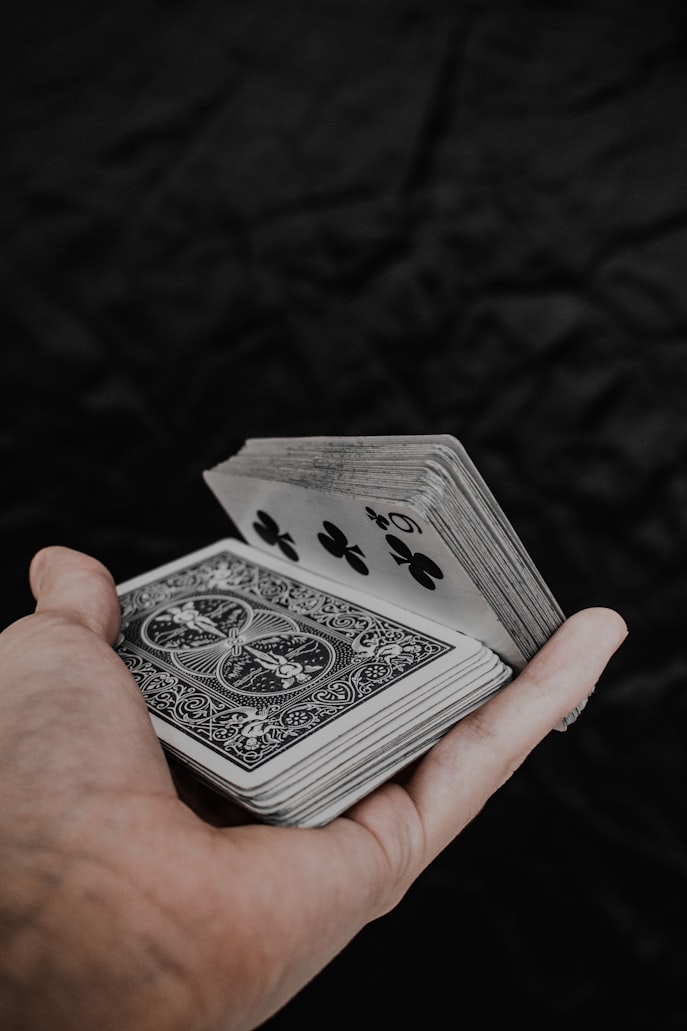
Another critical element in coping with the variations of luck involves setting realistic expectations. Acknowledging that luck is an unpredictable force can help players approach gambling with a grounded perspective. By internalizing the idea that both wins and losses are integral parts of the gambling experience, players can navigate their emotional responses more adeptly when outcomes do not align with their hopes. This balanced outlook enables gamblers to enjoy the thrill of the game without being excessively impacted by luck’s whimsical nature.
Moreover, taking breaks from gambling can be an effective strategy for managing the stress linked to fluctuating luck. Stepping away from the casino environment allows players to reset their mindset and emotions, providing clarity upon their return. Engaging in alternative recreational activities or simply reflecting on their gaming experiences can promote a healthier relationship with luck and gambling overall. Ultimately, finding effective coping mechanisms for dealing with the ups and downs of gambling can lead to a more satisfying and sustainable gaming experience.
Exploring More about Luck and Casinos
For those eager to explore the intricate relationship between luck and casino winnings, a wealth of resources and platforms are available to provide valuable insights. Understanding the subtleties of luck in gambling can significantly enhance one’s approach to gaming, whether they are casual players or more serious gamblers. Many educational websites focus on gambling, offering in-depth research and articles that dissect the impact of luck, strategies for managing it, and the psychological factors underpinning gambling behaviors.
These platforms cater to a diverse audience, welcoming both seasoned gamblers and novices seeking to deepen their understanding of the complexities surrounding chance and skill in casino games. Expert contributions often analyze emerging trends, providing practical advice on how to optimize one’s gaming experience while promoting responsible gambling practices. Engaging with these resources can empower players to make informed decisions, ensuring they approach the world of gambling with a balanced perspective on luck.
In summary, delving into the dynamics between luck and casino winnings can significantly enrich a player’s gambling experience. By grasping the role of luck, developing effective coping strategies, and accessing educational resources, players can enhance their gaming journey while fostering responsible gambling habits. It remains crucial to approach the casino environment with both enthusiasm for the unpredictable and an awareness of the realities of luck in play.
